Our Core Values
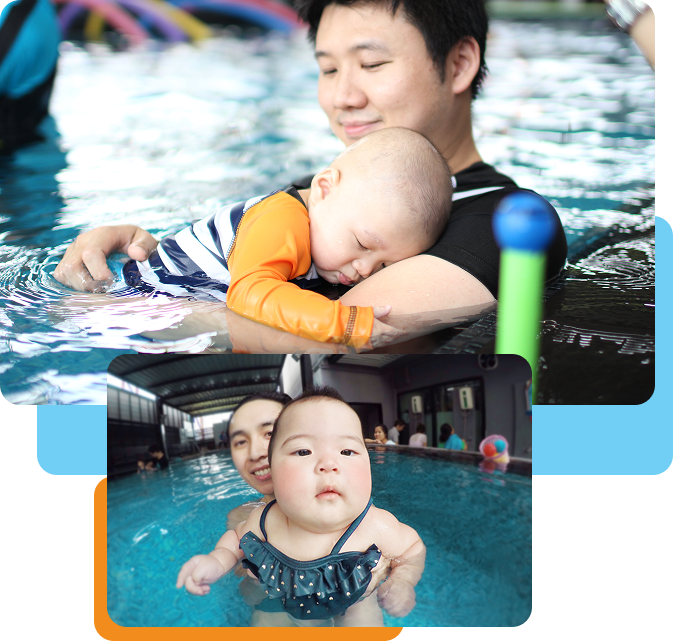
Start learning from birth. Swim and survive from a young age.
Because this little body... is ready to explore the world from the very first day they open their eyes.
At Bangkok Kids, we believe that learning does not need to wait until your child grows up. On the contrary, infancy—especially the first 0–6 months—is the ‘Golden Period’ when both the body and brain are most receptive to new experiences.
And with proper care… water becomes a safe learning space, filled with positive energy for your little one.
Why can newborns learn to swim?
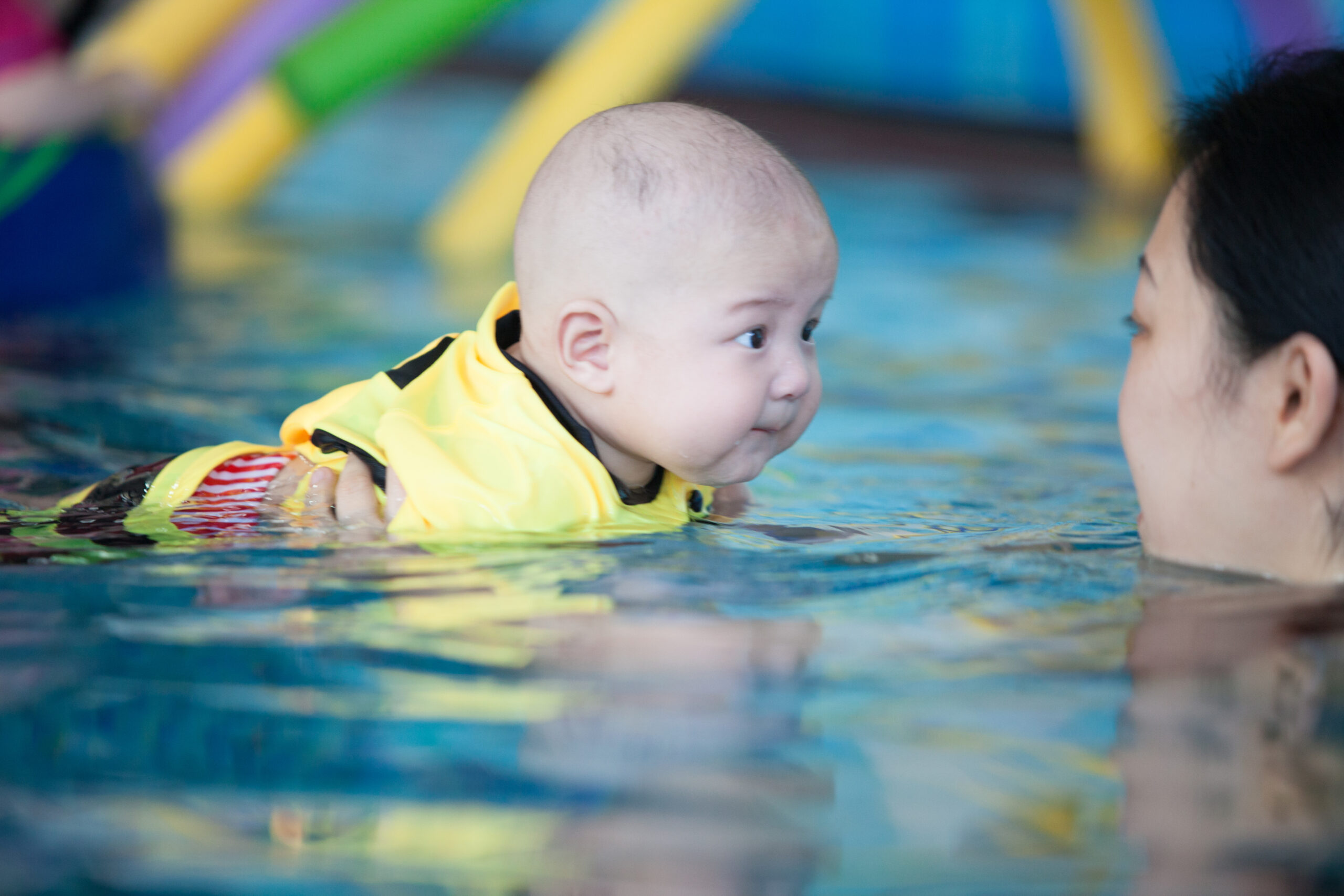
Because they are born with a natural familiarity with water.
Babies spend 9 months developing in amniotic fluid. Swimming at this age acts as a natural ‘continuation’ of the environment they know best, rather than a strange new experience.
Because for us...
Infant swimming is not about 'performance' or 'achievement'. It is about providing a 'space of love, safety, and growth'—giving your child the most perfect start to life.
Enhance Brain, Body, and Mind Development
Many may not realize that swimming is far more than just a water safety skill. It is a “precious gift” that profoundly impacts every dimension of your child’s development.
Research from Griffith University in Australia, which studied children aged 3–5, found that those who started swimming at an early age were developmentally ahead of their peers by 6 to 15 months in both language and mathematics.
This occurs because aquatic movement stimulates brain function, specifically enhancing coordination between the left and right hemispheres through “cross-patterning” activities, such as simultaneous kicking and arm reaching.
For us at Bangkok Kids, this is not merely textbook theory. We have witnessed these results with our own eyes over the past 13 years.
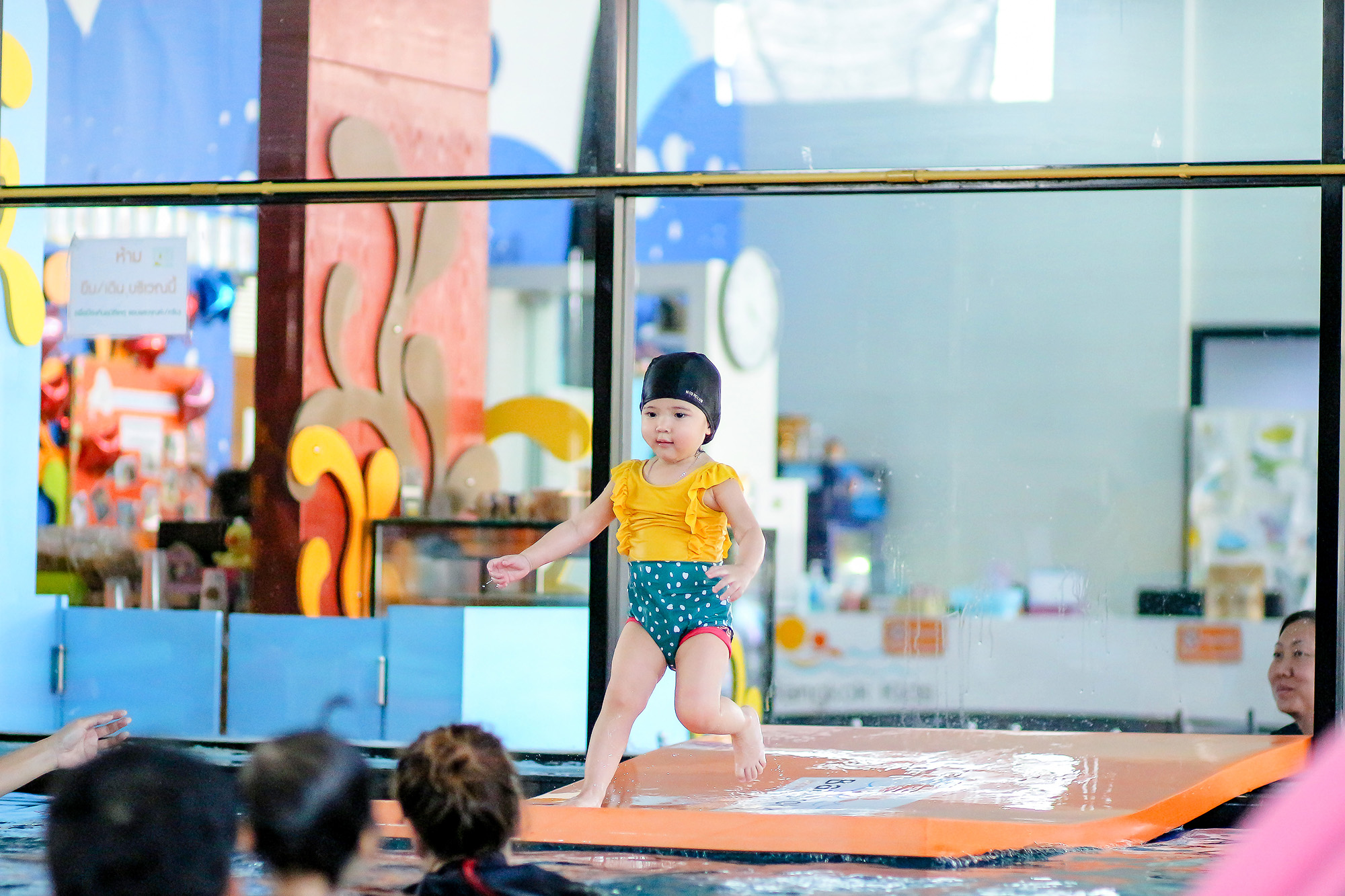
Superior Water Quality
At Bangkok Kids, we believe that… “A great environment is the foundation for the best learning.”
This is especially true for infants and toddlers, whose skin, eyes, and respiratory systems are far more delicate than adults’.
For this reason, we have invested in a water treatment system that ensures safety “in every drop” and is “specifically tailored to the physiology of young children.”
Saltwater pool system
Bangkok Kids utilizes a salt water system to generate mild chlorine via a Salt Chlorinator, without the addition of any synthetic chlorine.
Key Benefits:
-
Gentle: Safe for infants’ skin, eyes, and respiratory systems.
-
Reduced Irritants: Significantly reduces strong odors and chemical residues compared to standard chlorine pools.
-
Skin Care: Salt helps retain the skin’s natural moisture.
Year-Round Temperature-Controlled Pool
-
Consistently maintained at 32–34°C: The ideal range for infants.
-
Prevents Hypothermia: Protects against rapid body heat loss.
-
Promotes Health: Enhances blood circulation and supports optimal muscle development.
-
Freedom of Movement: Allows children to move freely and comfortably in the water.
Advanced Water Monitoring & Treatment System
-
Real-Time Monitoring: 24/7 tracking of Free Chlorine, pH levels, and temperature.
-
NSF Standard: Adheres to National Sanitation Foundation (NSF) criteria—the global benchmark for drinking water quality.
-
Expert Maintenance: Managed and inspected by specialists with Certified Pool Operator (CPO) accreditation.
Bad Chlorine Free System
Bangkok Kids is one of the few places in Thailand equipped with a system that eliminates Combined Chlorine from both the water and the air.
Benefits:
-
Reduces Irritation: Minimizes eye and skin irritation.
-
Reduces Odor: Eliminates the strong, pungent smell of chlorine.
-
Long-term Health: Lowers the risk of allergies and long-term respiratory issues.
The Birthlight UK curriculum—designed with the deepest understanding of children.
Bangkok Kids adopts an infant swimming curriculum rooted in Birthlight UK, founded by the highly esteemed Dr. Françoise Freedman.
A medical anthropologist from the University of Cambridge, Dr. Françoise possesses extensive experience and a profound understanding of early childhood development. This curriculum emphasizes respect for each child’s individual nature and fosters learning through the warm bond between parent and child.
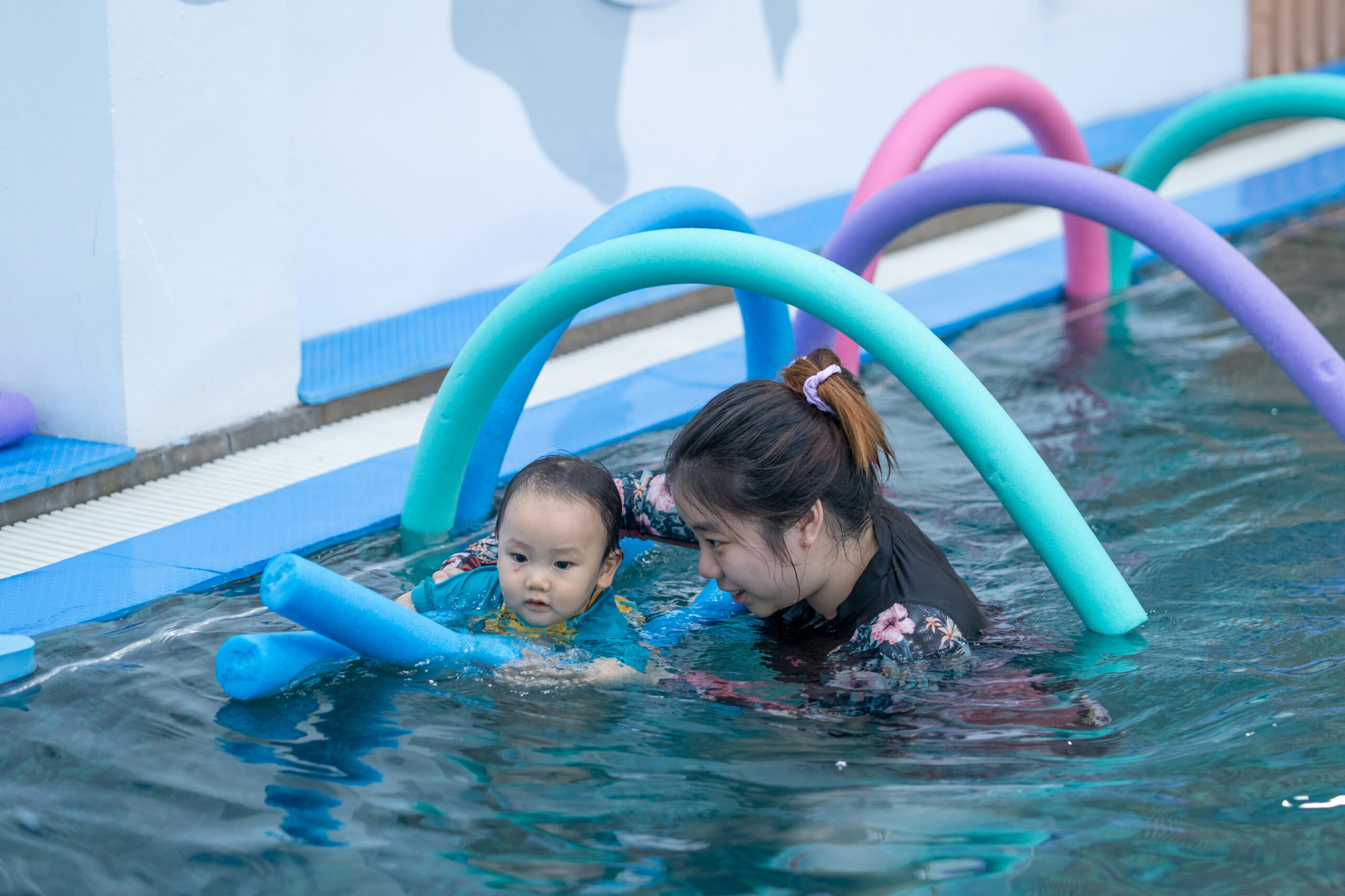
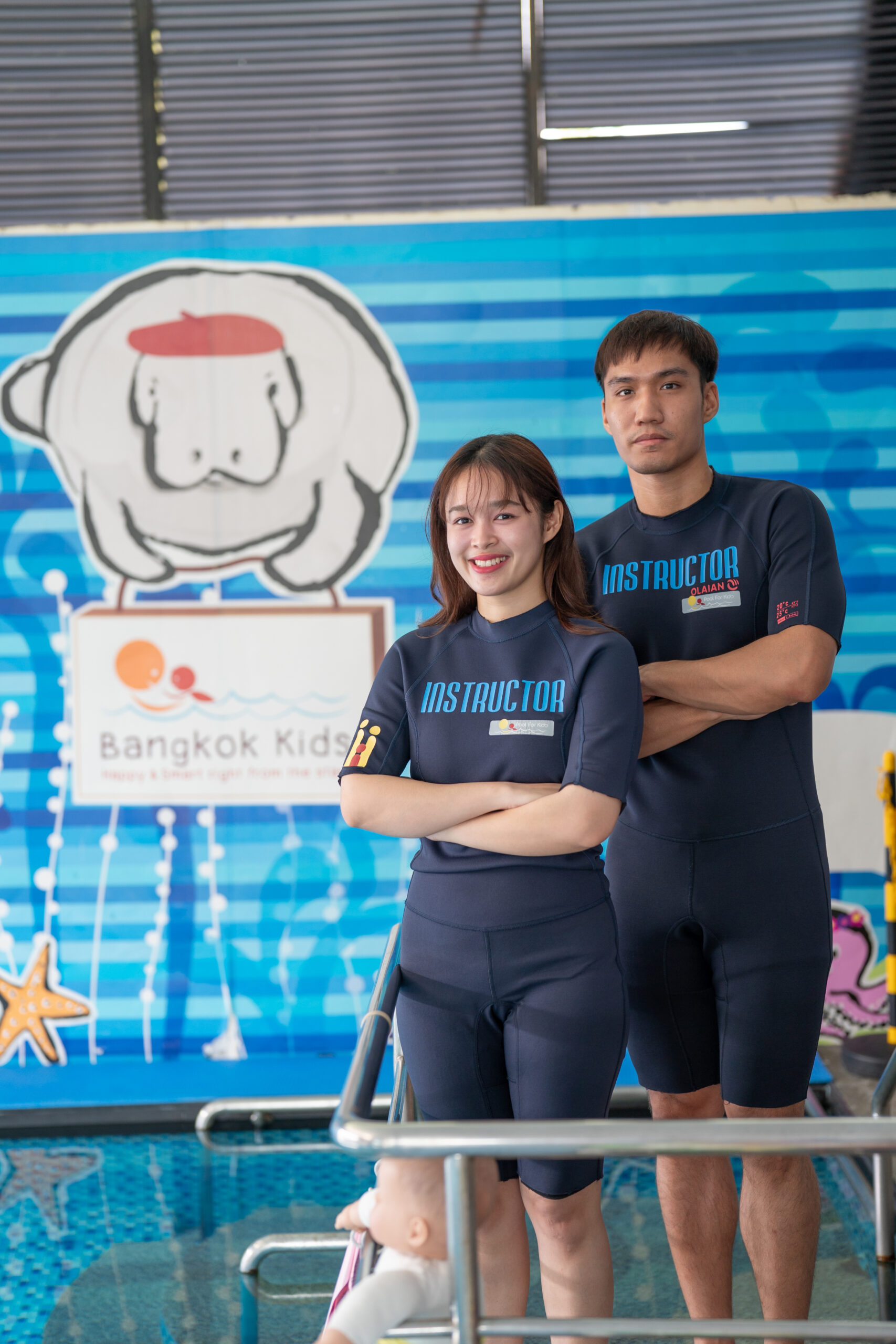
A teaching philosophy centered on gentleness and respect for the child.
Dr. Freedman believes that swimming instruction should be a gentle, non-coercive process that fully respects each child’s unique rhythm of learning.
It emphasizes building confidence and happiness through play and warm interactions with parents. This approach is known as ‘Water Parenting,’ which centers on the shared learning experience between parent and child in the water.
Read More
Rejection of Forced and Inappropriate Teaching Methods
Dr. Freedman and Birthlight oppose any swimming instruction that involves force or pressure, including training infants to hold their breath or submerge against their will.
She warns that such training can induce long-term stress and fear in children. Instead, she emphasizes that learning to swim must be a joyful and safe experience for every child.
Read More
Play-Based Learning & Parent Participation
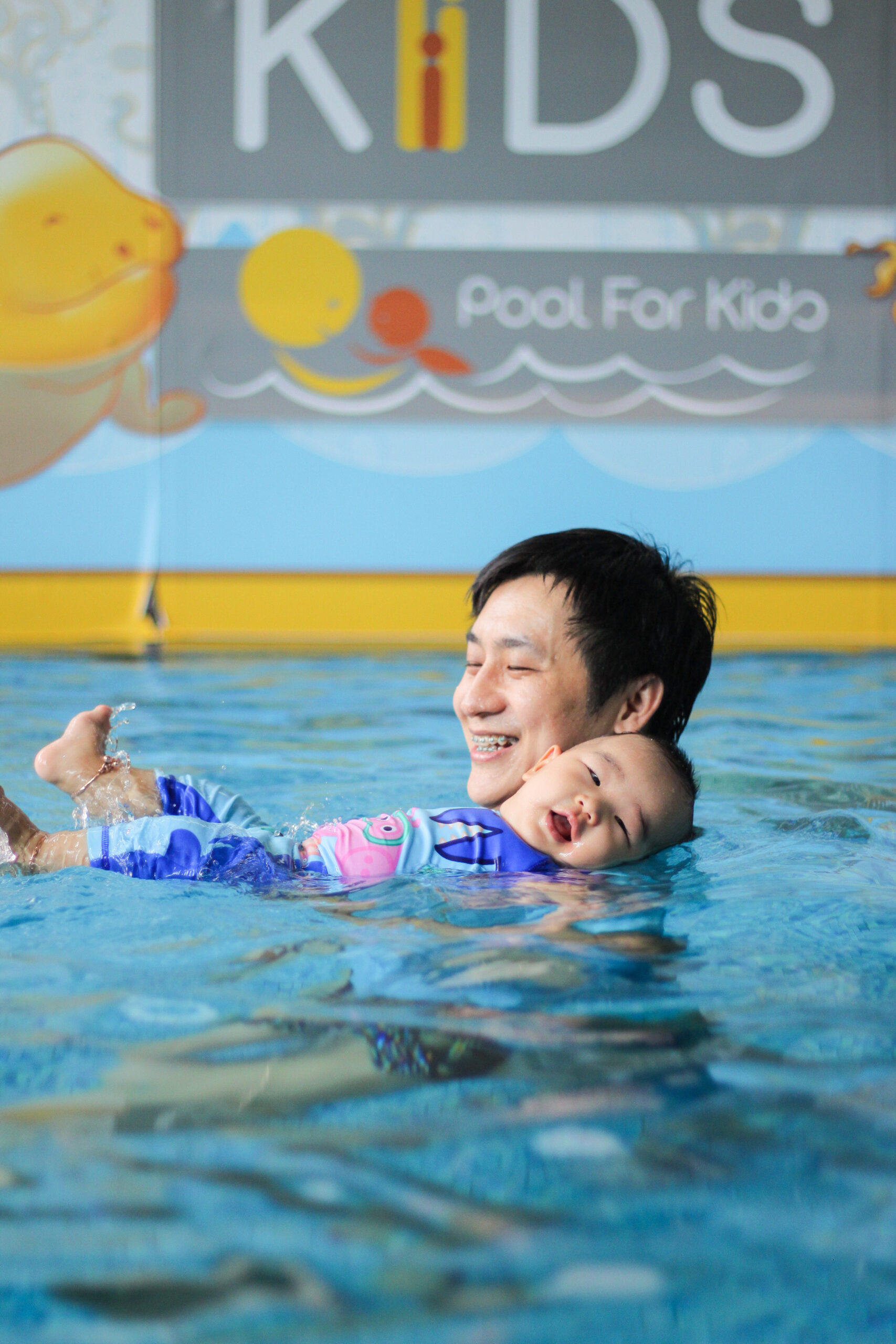
The Birthlight curriculum promotes learning through play, songs, and fun water activities, with parents acting as co-learners who support their little ones at every step.
This approach not only develops swimming skills but also strengthens the deep bond between parent and child.
Read More
Standards from Leading Institutions

Expert instructors who teach with a 'Gentle Approach' and a deep understanding of child nature.
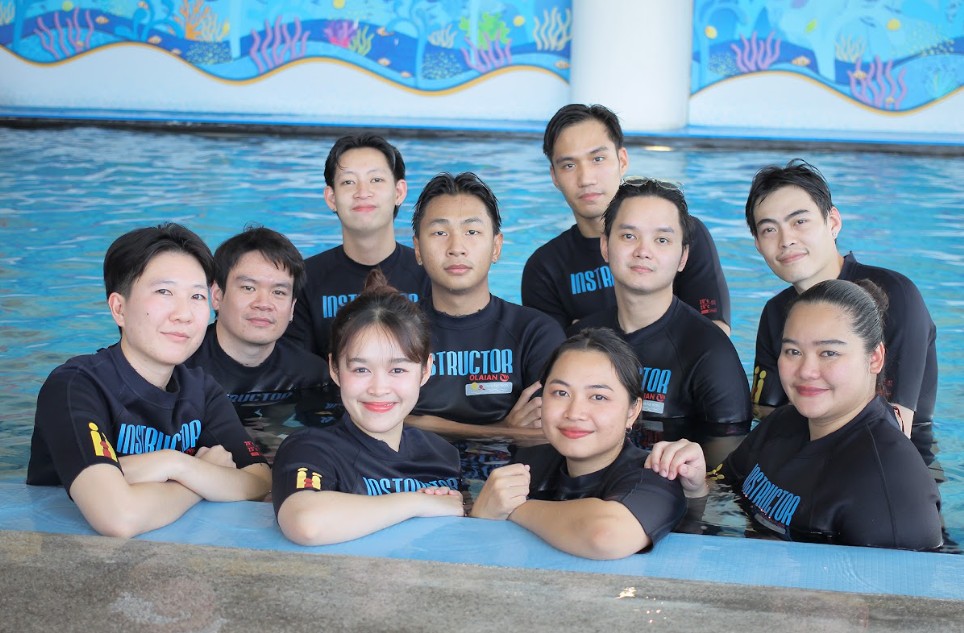
“Delivering the Very Best for Your Little One.”
Claim Your Trial
FAQs
Because every new beginning for your little one should be filled with understanding and confidence.
We fully understand that parents have many questions before committing to swim lessons, ranging from the appropriate age and teaching methods to the crucial matter of pool safety.
That is why Bangkok Kids has compiled these Frequently Asked Questions, with clear, honest answers provided by our experienced instructor team.
However, if you have specific questions regarding your child, we invite you to speak directly with our team at your nearest branch. Because some answers are best conveyed through personal guidance rather than just written text.
When can my child swim independently?
Most children achieve independent swimming (swimming by themselves) around 2.5–3.5 years of age, provided they attend lessons consistently.
At this stage, they are typically able to float, move, and breathe independently in the water, but they cannot yet master full, standard swimming strokes.
Around the age of 4, children begin learning basic swimming strokes in the “Beginner Swimmer” class, which still primarily focuses on fun and confidence in the water.
What are the benefits of swimming lessons for young children?
Children who start swimming early receive holistic developmental stimulation, enhancing muscular strength, brain function, balance, and physical coordination.
Furthermore, aquatic activities help boost immunity, improve focus, and strengthen the parent-child bond.
Global research also finds that children who participate in early swimming tend to have higher Emotional Intelligence (EQ) and self-confidence compared to the average.
Is it too early for my baby to start swimming lessons?
It is absolutely not too early!
Newborns retain a natural familiarity with the water environment (similar to their time in the womb)
Therefore, instructors strongly recommend beginning lessons right from 0 months of age.
My 4-year-old child still cannot swim. Is it too late to start lessons?
It is absolutely not too late! At four years old, children have the advanced physical and communication skills that make them highly ready to learn.
They can confidently begin their swimming training in our 25-48r class, ensuring they continue to enjoy learning in an age-appropriate format.
My child is still very young; will they get sick from swimming lessons? I am worried about them catching colds frequently.
Parents can rest assured. Our pool maintains a constant warm temperature year-round and utilizes a water system that meets drinking water safety standards.
Most children who attend our lessons rarely experience illness afterwards, as aquatic exercise also helps boost immunity. Simple aftercare—just drying them off, blow-drying their hair, and routine care—is all that is required after class.
Read More
Parent Testimonials
Gallery